Large Pores Explained

Large Pores Explained

Pore size is fixed and is determined mainly by your genes

Pores appear as small openings in the surface of your skin. They are usually most apparent in the T-zone -- the forehead, nose and chin. Pores are more noticeable and may appear larger when they become clogged with dirt, oil and dead skin cells. Pore size is fixed and is determined mainly by your genes. Your pores may become slightly larger with age or with repeated exposure to the sun's damaging rays. While you can't actually shrink the size of your pores, you can take steps to make them appear smaller.

Can Enlarged Pores Be Reduced?

Large Pores Explained image

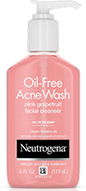
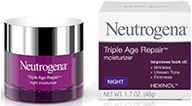
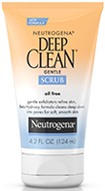
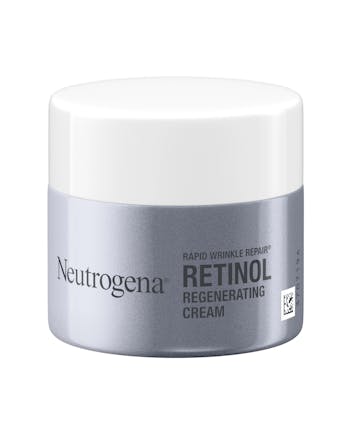
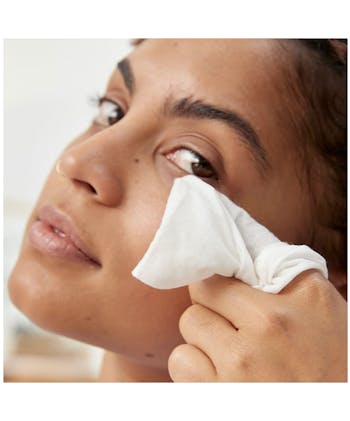
To keep your skin looking clear and minimize the appearance of large pores, use an oil-absorbing toner or an exfoliator with alpha or beta hydroxy acids to loosen and remove dead surface skin. This can help prevent pores from clogging. Products that contain retinol, a form of vitamin A, are also beneficial.1 Using retinol can help diminish the look of fine lines and wrinkles to give your skin an overall smoother appearance.2 However, some products with retinol may make your skin more sensitive to the sun. Therefore, always use an oil-free, broad-spectrum sunscreen with a sun protection factor (SPF) of at least 15.

Finally, if you use makeup, start with a light application of oil-free foundation in a matte finish. Shiny skin coupled with too much foundation may actually make your pores look more prominent. Control shine throughout the day with blotting sheets or freshen up your foundation with a dusting of translucent powder. The tiny, weightless particles prevent color pigments from building up around the edges of your pores to reduce their visibility.

We recommend that you consult your dermatologist or physician for proper diagnosis and treatment.

  1. Thiboutot D. New treatments and therapeutic strategies for acne. Arch Fam Med. 2000;9:179-187.
  2. AcneNet. American Academy of Dermatology. 2008.http://www.skincarephysicians.com/acnenet/prescriptmeds.html